Introduction
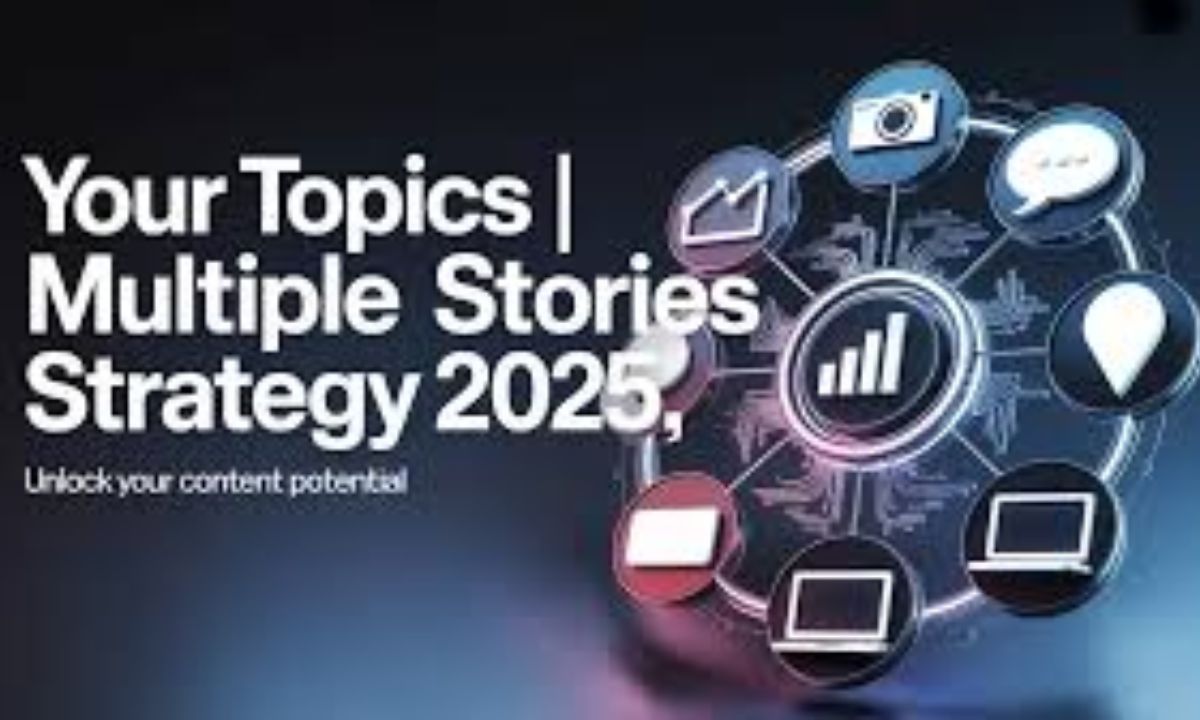
Content creation has evolved dramatically in 2025. Modern audiences crave meaningful, emotional, and authentic experiences rather than lengthy, monotonous articles. The Your Topics | Multiple Stories methodology addresses this shift perfectly.
This innovative approach presents a single topic through multiple lenses, offering readers diverse voices, perspectives, and formats. It ensures content remains fresh, comprehensive, and relevant while simultaneously boosting engagement and building trust with your audience.
Why Traditional Content Falls Flat in 2025
Traditional content followed a one-dimensional approach—delivering facts without emotion or layered perspectives. Today’s readers find this style uninspiring and disconnected.
Modern audiences scan content rapidly, making split-second decisions about engagement. Without emotional hooks or meaningful depth, content gets ignored. Single-perspective articles no longer meet reader expectations or needs.
Related Post: [Link to relevant article]
What Makes “Multiple Stories” a Game-Changer
The Your Topics | Multiple Stories strategy stands apart by presenting messages through multiple voices, creating variety and emotional impact while connecting with diverse audience segments simultaneously.
Rather than producing one isolated article, you create layered narratives. Each story contributes unique value, collectively building a richer, more complete picture. This approach cultivates trust, enhances SEO performance, and maintains reader interest throughout the journey.
What is the “Your Topics | Multiple Stories” Method?
![Multi-Story Method Diagram]
This powerful yet straightforward methodology breaks topics into multiple interconnected stories. These can include personal narratives, expert insights, emotional journeys, or data-driven analyses that together form one cohesive, compelling message.
The model leverages various content formats: blog posts, video reels, podcasts, case studies, and interviews. Each format delivers a unique perspective, making readers feel like active participants in the story.
Defining the Multi-Narrative Framework
A multi-narrative framework moves beyond single articles. You explore topics through real experiences, expert guidance, and practical case studies—essentially telling one story through five different angles.
Example: For remote work, you might include a manager’s challenges, a freelancer’s journey, a company’s transformation story, and current industry statistics. This creates rich, relatable content that resonates across audiences.
How It Differs from Standard Blogging or Vlogging
Traditional blogs and vlogs typically follow a linear path. While potentially helpful, they often lack depth and nuance. Multi-story content digs deeper, covering multiple angles and providing space for both emotion and analytical thinking.
This method also embraces media diversity. A blog alone can’t connect with everyone, but combining video, podcast, article, and visual storytelling creates universal appeal. This versatility makes the method exceptionally powerful.
Read Also: [Link to related content]
Real-Life Example of the Approach in Action
Consider “Digital Education in Rural Areas” as your topic:
- Story 1: A teacher recording offline lessons for students without internet
- Story 2: A student walking miles to find Wi-Fi access
- Story 3: An NGO building solar-powered classrooms
- Story 4: A comprehensive policy review and recommendations
Each piece stands strong independently. Together, they create a complete picture serving students, policymakers, educators, and donors. This exemplifies Your Topics | Multiple Stories in action.
Why This Strategy Works So Well in 2025
![Strategy Success Visual]
People in 2025 demand content that truly understands them. They seek feelings, facts, and stories. They don’t just want to read—they want to feel seen and heard. This strategy delivers exactly that.
Additionally, search engines better comprehend your topic through this approach. Google prioritizes depth and meaning, aligning perfectly with their “helpful content” guidelines.
Audience Behavior Trends: Skimming, Relevance & Empathy
Modern readers don’t consume everything word-for-word. They skim for relevance and personal connection, seeking meaning within the first few lines.
Without immediate connection, they leave. Empathy becomes crucial. Stories featuring emotion and authentic voices capture attention, transforming casual skimmers into loyal, engaged readers.
Google’s Helpful Content System Alignment
Google now prioritizes content depth over keyword density. They want content created for people, not algorithms. Multi-story content perfectly aligns with this philosophy through semantic variety, comprehensive depth, and entity-based optimization.
Each story in your content cluster reinforces the topic. Together, they signal to Google: “This content is genuine, helpful, and thorough.” This builds authority and improves rankings organically.
See Also: [Link to SEO-related content]
Emotional Resonance + Contextual Depth = Retention
Readers stay engaged when content evokes emotion. Stories featuring struggle, joy, pain, or triumph create lasting impressions. Context provides meaning. Combining both transforms casual readers into connected audiences.
This connection translates to longer session durations, increased shares, and deeper trust. This is how you convert traffic into loyal community members.
Core Elements of Multi-Story Content
![Core Elements Infographic]
This methodology succeeds through three fundamental pillars: narrative layering, diverse formats, and audience-based context. Each element amplifies your message’s power.
When strategically combined, they create content that’s simultaneously deep, emotional, and practical.
Narrative Layering: Crafting Multiple Voices
Each story introduces a new voice. Students, teachers, policymakers—all discuss the same topic from their unique perspective. This layering builds credibility and humanizes content.
It also expands your reach. Different readers connect with different voices. More voices equal broader impact and deeper engagement.
Diverse Formats: Text, Video, Podcast, Visuals
Not everyone prefers reading blogs. Some audiences prefer videos, others podcasts, and many scroll through social platforms like LinkedIn or Instagram. This methodology embraces format diversity.
You might transform one story into a blog, another into a podcast episode, and a third into a short video reel. All formats link together, maintaining message consistency and strength.
Audience-Based Context: Writing for Real Needs
Always understand your target audience. Are they students? CEOs? Parents? Your stories must reflect their language, pain points, and aspirations.
Context makes content feel personally crafted for each reader. This personalization drives continued reading and inspires action.
Building a Winning Multi-Story Content Strategy
![Strategy Building Process]
Success requires strategic planning. Choose compelling topics, break them into components, align stories with goals, maintain brand voice consistency, and create strategic interconnections.
These five steps transform multi-story content into smart, strategic assets.
Step 1: Choose a Topic with Emotional or Social Depth
Not every topic suits this model. Select subjects carrying inherent meaning—topics like climate justice, financial literacy, or mental health awareness that naturally contain multiple layers.
These topics touch hearts, raise important questions, and spark meaningful conversations. This depth makes them ideal candidates for the multi-story approach.
Step 2: Develop 4–6 Story Angles with Different Voices
Each story must contribute something unique. One can be emotionally driven, another technically focused. One might emphasize action, while another provides detailed analysis.
Story Angle Framework:
| Story Angle | Format | Target Audience |
| Working parent balancing responsibilities | Blog Post | Millennial Parents |
| Gen Z financial planning journey | Video | Students & Young Adults |
| HR implementing remote tools | Podcast | HR Managers |
| Company culture transformation | LinkedIn Article | CEOs & Leadership |
Step 3: Match Content to the Marketing Funnel
Your content should align with the buyer’s journey. Top-of-funnel content inspires through emotion. Middle-funnel content. Bottom-funnel content converts.
Content Funnel Strategy:
| Funnel Stage | Goal | Story Type |
| TOFU (Awareness) | Inspire & Attract | Personal Story |
| MOFU (Consideration) | Inform & Educate | Expert Guide |
| BOFU (Decision) | Convert & Close | Case Study |
Step 4: Align All Stories with Your Brand Voice
Despite featuring multiple voices, your overall tone must remain consistent. Develop and follow a comprehensive style guide. Maintain consistency in visuals, color schemes, and typography.
This builds brand recognition and makes your content feel unified. Readers develop familiarity and trust with your brand identity.
Step 5: Interlink Strategically for SEO Authority
Link every story to a central hub page. Then create connections between individual stories. This creates a hub-and-spoke model that enhances user exploration and helps Google understand your site architecture.
Greater content interconnection builds higher authority. More depth leads to better Google rewards and improved rankings.
Examples of Multi-Story Mapping
![Story Mapping Examples]
Seeing this methodology applied to real scenarios clarifies its power. Let’s explore two detailed story mapping examples.
Case Study: Social Media and Generational Impact
Topic: Social media’s impact on Gen Z
- Story 1: Teen perspective on social platforms
- Story 2: Parental concerns and challenges
- Story 3: Expert mental health guidance
- Story 4: Research-backed behavioral analysis
Together, these stories painted a comprehensive picture. Readers from all demographic groups found relevant value. The campaign achieved a 67% increase in engagement metrics.
Case Study: Remote Work Culture from Different Viewpoints
Another brand used Your Topics | Multiple Stories to explore remote work culture:
- Story 1: Freelancer’s personal journey
- Story 2: HR professional’s implementation challenges
- Story 3: CEO’s strategic vision
- Story 4: Technology tools and data analysis
This approach enabled communication with five distinct personas within one cohesive campaign. The result was a 40% increase in qualified leads.
Story Formats Table: Persona – Format – Goal
| Persona | Format | Purpose |
| Freelancer | Video Vlog | Build Trust & Authenticity |
| CEO | Long-form Article | Share Strategic Vision |
| HR Manager | Practical Guide | Offer Actionable Tips |
| Team Manager | Short-form Reel | Showcase Culture |
Key Benefits of the “Multiple Stories” Framework
This methodology isn’t merely creative—it delivers measurable results. It improves SEO performance, builds audience trust, and creates evergreen content assets.
Here’s why you should implement this strategy.
Higher Engagement and Time-on-Page
People stay longer when content speaks directly to them. Different voices and story angles keep them exploring. They feel heard, understood, and curious.
Longer visit duration equals stronger overall results and better user signals.
Broader Keyword Reach and Semantic SEO Boost
Every story introduces new long-tail keywords naturally. This helps search engines match your content with more diverse search queries, building topical authority organically.
The result is increased traffic without forced keyword stuffing or manipulation.
Easier Repurposing Across Platforms
Each story can be transformed into new content formats. A blog post becomes a podcast episode. A video becomes social media reels. A comprehensive guide becomes an Instagram carousel.
You save time while exponentially growing your reach across platforms.
Builds Emotional and Psychological Connection
Stories trigger authentic emotions. Emotion builds trust. Trust cultivates loyalty. This is what content should accomplish in 2025 and beyond.
Best Tools to Scale Your Strategy
To execute this strategy effectively, leverage the right tools. These platforms save time, improve quality, and accelerate growth.
Content Planning Tools (Notion, Trello, etc.)
Use platforms like Notion or Trello to plan story angles, assign formats and voices, and track timelines and progress.
This keeps your process organized, efficient, and on track for consistent delivery.
SEO Optimization Tools (Frase, Surfer, Clearscope)
Tools like Surfer SEO and Frase optimize each story individually. They suggest LSI keywords, track keyword density, and improve on-page SEO elements.
This helps your content rank higher and reach more qualified audiences.
Design & Multimedia Tools (Canva, Descript, Tableau)
Use Canva for visual design, Descript for audio/video editing, and Tableau for data visualization. These tools make your stories more compelling and shareable.
Pro Tips for Future-Proof Content
To maintain competitive advantage, follow these best practices. These tips will help you stand out in the evolving content landscape.
Use Structured Data and Semantic Markup
Implement FAQ schema, How-To markup, and Article schema. This helps Google understand your content structure and improves visibility in search results.
Optimize Meta Tags per Story Angle
Each story requires its own unique meta title and meta description. These must align with the specific keywords and intent of that particular story.
This boosts click-through rates and improves individual story rankings.
Keep Mobile-First and Accessible Design in Mind
Most users consume content on mobile devices. Ensure your design is mobile-friendly with short paragraphs, readable fonts, and proper alt text. Make content accessible to all users.
This builds trust and expands your potential reach significantly.
Final Thoughts – One Topic, Infinite Impact
The content landscape is increasingly crowded. Single-perspective stories no longer suffice. You need depth, layers, and the power of Your Topics | Multiple Stories.
This methodology helps you connect with both hearts and minds, transforming your content into a meaningful journey.
How Multi-Story Content Helps You Connect & Convert
By featuring authentic voices, you reach real people. They trust you more deeply, stay engaged longer, and take desired actions.
This is how genuine connection transforms into measurable conversion.
Why This Strategy Will Dominate Beyond 2025
This isn’t a passing trend—it’s the future of content. It mirrors human thought processes, aligns with Google’s algorithms, and serves audience needs. It’s here to stay and will only grow stronger.
Frequently Asked Questions
What makes this strategy effective for SEO?
It comprehensively covers semantic keywords, offers substantial depth, and boosts engagement metrics—all factors Google’s algorithms prioritize and reward.
What are the best storytelling topics for this method?
Choose topics that naturally evoke emotion, invite multiple perspectives, and have strong relevance to your target audiences’ lives and challenges.
Can solo creators implement this approach?
Absolutely. Start small with manageable goals. Leverage available tools. Plan 3–4 stories per topic initially. You’ll scale and grow rapidly with practice.
How do I keep the tone consistent across stories?
Create a detailed style guide covering voice, tone, and language preferences. Stick to your brand voice principles. Review each story carefully before publishing.
Is this method compatible with pillar pages?
Yes, perfectly. Each individual story supports and links to the pillar page, creating strong, interconnected content clusters that boost overall authority.
How often should I publish multi-story content?
Once monthly is sufficient when executed well. Prioritize depth and quality over publishing speed or frequency.
How do I come up with story angles for one topic?
Start by identifying your target audiences. Consider their roles, emotions, questions, and pain points. Then create stories that speak authentically to each group.
Can this strategy work for niche industries?
Absolutely. Whether healthcare, finance, technology, or any specialized field, every niche has multiple personas and use cases—perfect for multi-story content.
Is long-form content still necessary with this approach?
Yes, but with strategic layered depth. Each story adds distinct value. Combined, they deliver the strength of long-form content without overwhelming readers.
What is the ideal length for each individual story?
Aim for 800–1200 words per story. This provides adequate space for emotion, facts, and SEO value while maintaining readability and engagement.
Does multi-story content require more promotion?
Not necessarily. Each story serves as its own entry point, increasing chances of organic discovery and natural social shares across platforms.

Scarlett created Caption Believers to inspire with meaningful captions, spiritual prayers, uplifting Bible verses, and heartfelt wishes for all who seek hope.